Of course! Here is a comprehensive guide to "Fuzhou Tourism English Training Classes," presented in both English and Chinese to meet your needs.
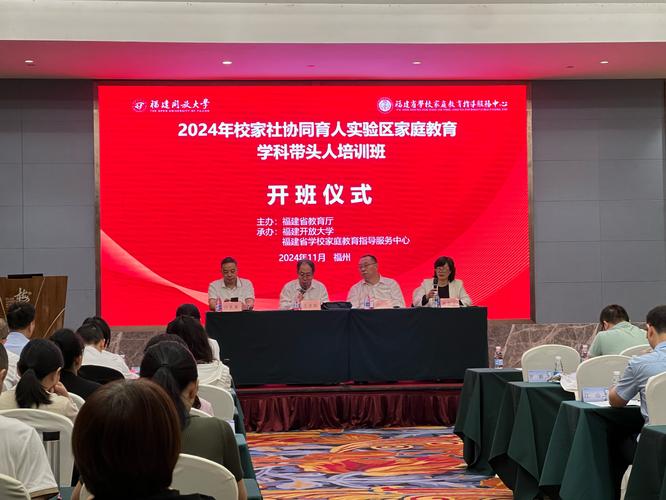
福州旅游英语培训班: 综合指南 (Fuzhou Tourism English Training: A Comprehensive Guide)
This guide is designed for anyone in Fuzhou looking to improve their English skills for the tourism industry, including tour guides, hotel staff, travel agency employees, and even local residents who want to better interact with foreign visitors.
Part 1: Why is Tourism English Important in Fuzhou? (为什么福州旅游英语很重要?)
Fuzhou, the capital of Fujian province, is a city with a rich history, delicious food, and growing international connections. With more foreign tourists, expatriates, and business visitors, the ability to communicate effectively in English is a crucial skill for anyone in the tourism and service sectors.
- Enhance the Visitor Experience: Good communication can turn a good trip into a great one, leaving a positive impression of Fuzhou and its people.
- Professional Development: For industry professionals, strong English skills can lead to better job opportunities, higher tips, and career advancement.
- Promote Local Culture: English allows you to be a cultural ambassador, sharing the stories of Fuzhou's history (e.g., Three Lanes and Seven Alleys), Min cuisine, and traditions with the world.
Part 2: What You Will Learn in a Tourism English Class (培训班将学习什么内容)
A good Tourism English course is practical and focuses on real-world scenarios. Here are the key components you can expect:
Core Vocabulary & Phrases (核心词汇与短语)
- Greetings & Introductions: Welcoming guests, self-introductions for guides.
- Transportation: Directions, taxi, bus, metro, high-speed train (G-train) vocabulary.
- Accommodation: Check-in/check-out procedures, room types, amenities, handling complaints.
- Food & Dining: Menu terminology, describing famous Fuzhou dishes (e.g., Fotiaoqiang, Luochi), ordering, dietary restrictions.
- Sightseeing: Names of major attractions (e.g., West Lake, Gushan, Sanfang Qixiang), historical terms, descriptive language.
- Shopping & Bargaining: Names of local products (e.g., bodiless lacquerware, Shoushan stones), negotiating prices politely.
Essential Communication Skills (核心沟通技能)
- Pronunciation & Fluency: Focus on clear pronunciation and smooth speaking.
- Listening Comprehension: Understanding different accents and fast-paced speech from tourists.
- Role-Playing: Practicing real-life situations like:
- A tour guide explaining the history of Sanfang Qixiang.
- A hotel receptionist helping a guest with a booking issue.
- A restaurant server recommending local specialties.
- A shopkeeper assisting a customer in finding a product.
Cultural Etiquette & Awareness (文化礼仪与意识)
- Understanding Western cultural norms (e.g., personal space, tipping customs, directness vs. indirectness).
- Learning how to be a hospitable host while respecting cultural differences.
- Knowing how to handle sensitive topics politely.
Specific Scenarios (特定场景演练)
- Emergency Situations: Dealing with lost luggage, medical issues, or lost tourists.
- Handling Complaints: Calmly and professionally addressing customer concerns.
- Giving Directions & Descriptions: Using clear language and landmarks to guide visitors.
Part 3: Types of Training Classes Available (培训班类型)
You can choose from different formats based on your schedule, budget, and learning style.
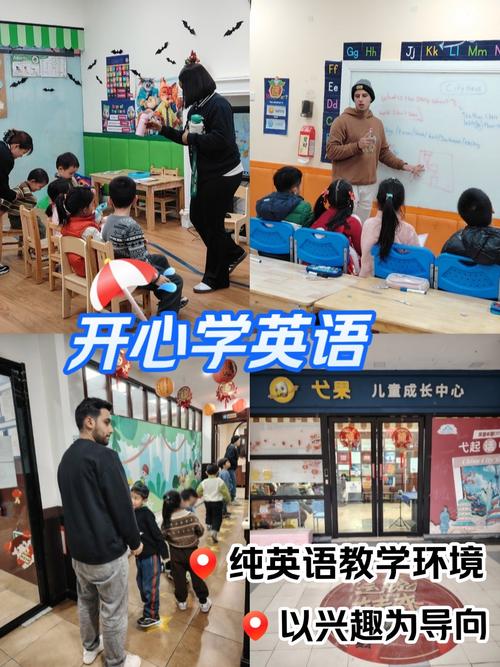
In-Person Classes (线下培训班)
- Language Centers (语言培训中心): Institutions like Wall Street English, EF Education First, or local centers offer specialized courses. They have structured curricula and professional teachers.
- Community Colleges & Universities (社区大学与高校): Fuzhou University and other local institutions sometimes offer continuing education programs for the public.
- Private Tutors (私人教师): For one-on-one, highly personalized lessons. This is flexible and can be tailored to your specific needs (e.g., focusing only on restaurant English).
Online Courses (在线课程)
- Platforms like Coursera, Udemy, or iTalki: You can find courses on "Tourism English" or hire a tutor from anywhere in the world. This offers great flexibility.
- WeChat Groups (微信群): Some local teachers or agencies offer small group classes or one-on-one sessions via video call (e.g., on Zoom or WeChat).
Specialized Workshops (专题工作坊)
- Some organizations offer short, intensive workshops on specific topics, such as "English for Tour Guides" or "English for Hotel Front Desk Staff."
Part 4: How to Choose the Right Class for You (如何选择合适的培训班)
- Assess Your Level: Are you a beginner, intermediate, or advanced learner? Be honest with yourself to find a class that is not too easy or too difficult.
- Define Your Goals: Why are you learning? To get a promotion? To be a better guide? To feel more confident talking to foreigners? Your goals will determine the type of class you need.
- Consider Your Schedule: Do you need a class that meets in the evening, on weekends, or can you learn at your own pace online?
- Check the Teacher's Qualifications: A good teacher should not only be a native or fluent English speaker but also have experience in tourism or teaching English for specific purposes (ESP).
- Look for Practical Content: The best courses focus on speaking and listening, not just grammar. Ask for a sample syllabus to see if it covers the scenarios you care about.
- Read Reviews: If possible, find reviews from former students to get an idea of the class quality and effectiveness.
Part 5: Sample Self-Study Resources (自学资源推荐)
If you prefer to learn on your own or supplement a class, here are some excellent resources:
- Apps:
- Duolingo / Babbel: Good for building basic vocabulary and sentence structure.
- HelloTalk / Tandem: Language exchange apps where you can chat with native English speakers who are learning Chinese.
- YouTube Channels:
- EnglishClass101 / Learn English with EnglishClass101: Great for travel-specific vocabulary and phrases.
- BBC Learning English: Offers high-quality content on various topics, including everyday situations.
- WeChat Official Accounts (微信公众号):
Search for "旅游英语" (Tourism English), "酒店英语" (Hotel English), or "导游英语" (Tour Guide English). Many accounts post daily phrases and tips.
Part 6: Key Fuzhou-Specific English Phrases (福州特色旅游英语短语)
Here are some useful phrases you can start with:
| English (英语) | Chinese (中文) |
|---|---|
| Welcome to Fuzhou! | 欢迎来到福州! |
| Fuzhou is famous for its Min cuisine. | 福州以闽菜闻名。 |
| You must try our local specialty, Fotiaoqiang (Buddha Jumps Over the Wall). | 您一定要尝尝我们的特色菜——佛跳墙。 |
| This is the historic Sanfang Qixiang (Three Lanes and Seven Alleys). | 这是历史古迹三坊七巷。 |
| The dish is a bit sweet and savory. | 这道菜有点甜,也有点咸。 |
| Can I get the bill, please? | 请问可以买单吗? |
| How do I get to West Lake? | 请问去西湖怎么走? |
| Is there a pharmacy nearby? | 附近有药店吗? |
| Enjoy your stay in Fuzhou! | 祝您在福州玩得愉快! |
By investing in Tourism English training, you are not just learning a language; you are unlocking the ability to share the beauty of Fuzhou with the world and opening up new opportunities for yourself. Good luck! (祝您学习顺利!)
标签: 福州旅游英语培训课程 福州旅游英语学习机构 福州旅游英语班哪家好